What to Expect During a Commercial Carpet Installation Project
People seeking commercial carpet installation are typically looking to have durable, professional flooring installed efficiently, with local service providers handling the project smoothly.
Understanding what to expect during a commercial carpet installation project can help property owners feel more prepared and confident throughout the process. Whether upgrading a retail space, office, or hospitality venue, knowing the typical steps involved allows for smoother coordination and minimizes surprises. Local contractors specializing in commercial carpet installation are well-versed in these procedures and can provide insights into what each phase entails, ensuring the project aligns with the specific needs of the space.
For property owners in the area exploring this topic, it's practical to learn about the installation timeline, preparation requirements, and what to anticipate during the work. This knowledge can help in planning for minimal disruption and understanding the quality standards that local service providers uphold. Continuing to read can reveal how experienced local contractors manage each stage, making it easier to find the right professionals for a seamless and efficient carpet upgrade.
- Commercial Carpet Removal - needed when existing flooring must be safely taken out before new carpet installation begins, with local contractors ensuring proper disposal and site preparation.
- Floor Surface Preparation - required to create a smooth, clean subfloor for optimal carpet adhesion, with service providers assessing and prepping the area accordingly.
- Carpet Installation - essential for completing the flooring upgrade in office or retail spaces, with local pros handling precise measurements and professional installation techniques.
- Seaming and Finishing - necessary when installing large carpet areas that require joining sections seamlessly, with contractors ensuring a clean, uniform look.
- Post-Installation Cleanup - performed after the work is complete to leave the space tidy, with local service providers removing debris and excess materials for a finished appearance.
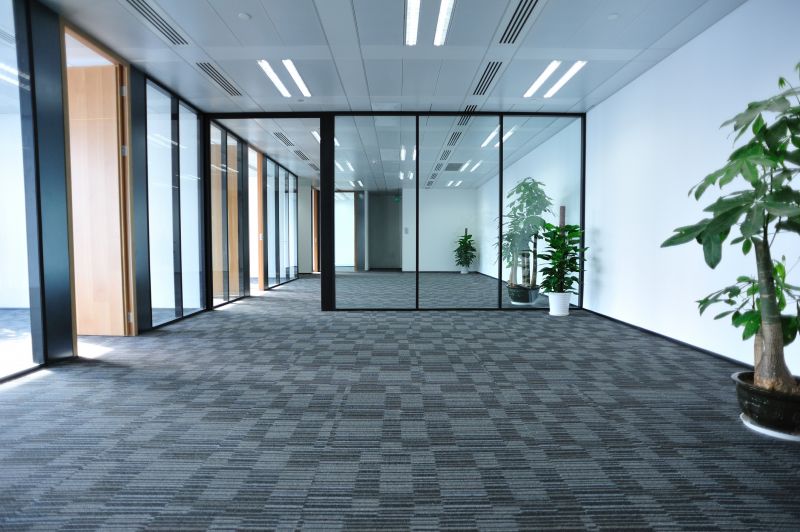
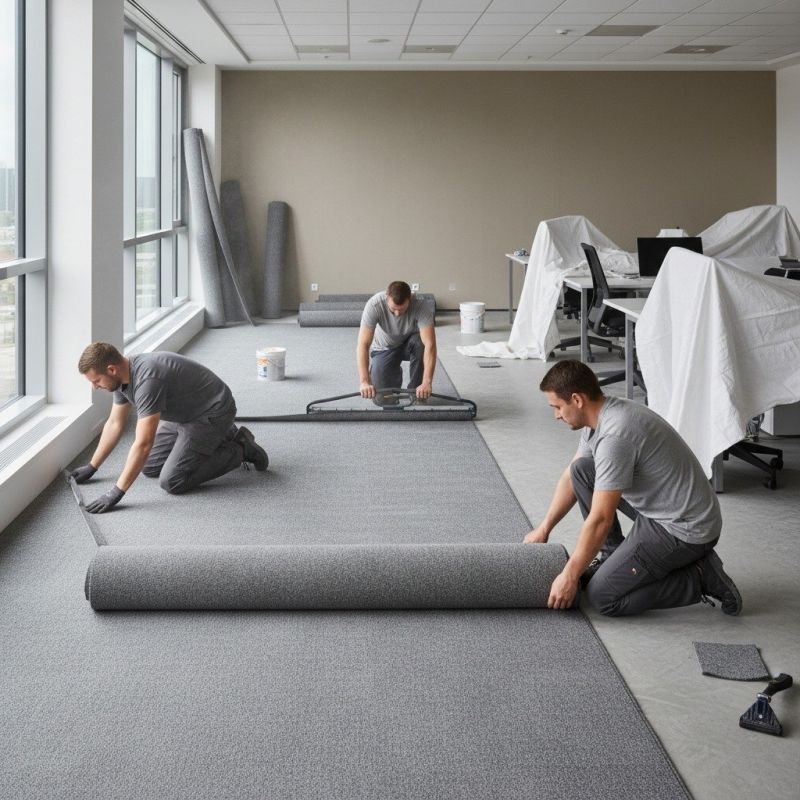
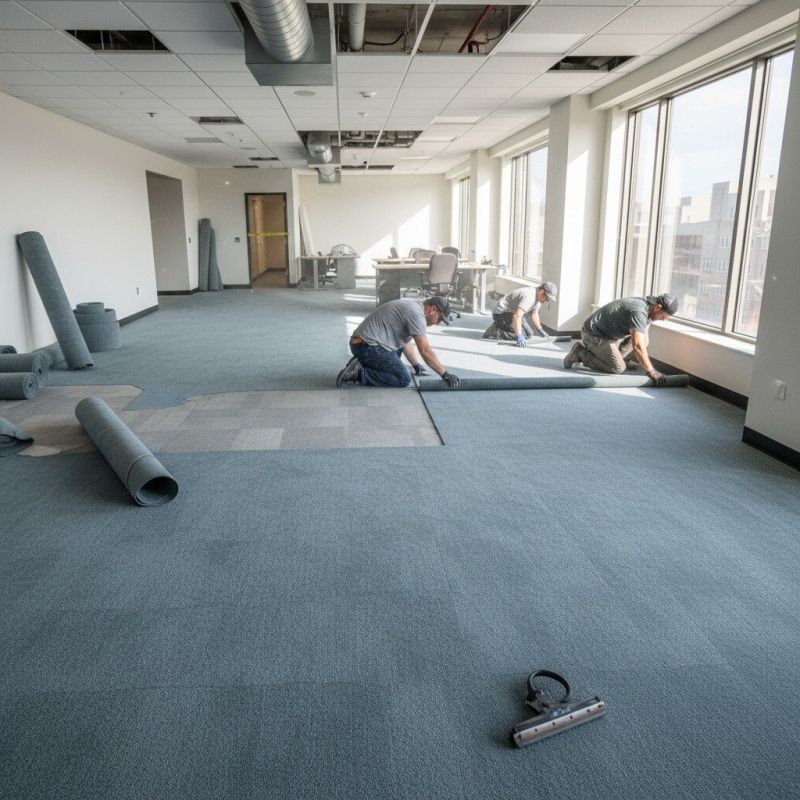
When people search for what to expect during a commercial carpet installation project, they are often planning for a renovation or upgrade in a business or institutional setting. This topic relates to property managers, business owners, or facility managers who want to understand the process involved in installing new carpeting in their commercial spaces. These projects can be part of larger remodeling efforts, new office setups, or routine upgrades to maintain a professional appearance. Knowing what happens during the installation helps clients plan around potential disruptions, ensure the work meets expectations, and coordinate with local service providers who specialize in commercial flooring.
Commercial carpet installation projects typically involve more than just laying down new flooring. They may include preparing the existing subfloor, removing old carpeting, and ensuring the space is clean and ready for the new material. These projects often require careful planning to minimize downtime, especially in busy environments like retail stores, office buildings, or healthcare facilities. Problems that can arise include uneven subfloors, moisture issues, or delays caused by unforeseen conditions. Local contractors experienced in commercial carpet installation are skilled at handling these challenges efficiently, ensuring the project progresses smoothly and meets the necessary standards.
The types of properties that frequently require commercial carpet installation include office buildings, retail stores, medical facilities, educational institutions, and hospitality venues. These spaces tend to have high foot traffic and demand durable, attractive flooring that can withstand daily wear. Each property type may have specific requirements for carpet style, padding, and installation methods to meet safety standards or aesthetic preferences. Understanding the nature of the property helps clients communicate their needs clearly to local pros, who can then recommend suitable carpet options and installation techniques tailored to the environment.
During a commercial carpet installation project, property owners can expect a series of coordinated steps carried out by local service providers. The process generally begins with a consultation to evaluate the space and determine the best carpet type. Next, preparation work involves clearing furniture and removing old flooring if necessary. The installation itself includes laying down the carpet, ensuring proper alignment, and securing it to prevent movement. Once completed, the space is cleaned and inspected to confirm the quality of work. Knowing what to expect during this process helps property owners plan for minimal disruption and ensures the final result aligns with their expectations.
Flooring Preparation Projects - These projects involve preparing subfloors and surfaces, requiring similar planning and tools as commercial carpet installation to ensure a smooth and durable finish.
Office Renovation Projects - Office renovations often include flooring updates that demand precise measurements and surface assessments, aligning closely with the skills used in carpet installation.
Commercial Flooring Replacement - Replacing existing flooring in commercial spaces involves removal and installation techniques comparable to those used in new carpet installations.
Carpet Padding and Underlayment Installation - Installing padding under carpets shares planning and material handling skills with full carpet installation projects.
Building Interior Finishing Projects - Interior finishing tasks such as wall coverings and flooring require detailed planning and surface preparation similar to commercial carpet installation.
Flooring Repair and Patching Services - Repair work involves surface assessment and preparation skills that are foundational to successful carpet installation projects.
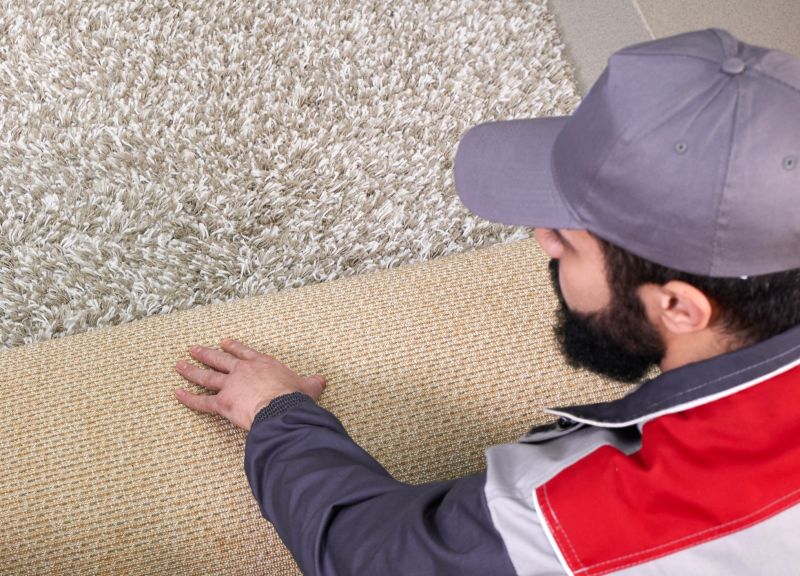
When evaluating commercial carpet installation services, it is important to consider the experience of local contractors with similar projects. An established provider with a history of handling commercial spaces can be more familiar with the specific requirements and challenges that come with larger-scale installations. This experience often translates into a smoother process, fewer surprises, and a better understanding of the materials and techniques best suited for your environment. Homeowners should inquire about the types of commercial projects a service provider has completed to ensure they have relevant expertise that aligns with the scope and complexity of their own project.
Clear written expectations are essential when comparing local contractors for a commercial carpet installation. A reputable service provider will be transparent about what the project entails, including the scope of work, materials used, and the timeline for completion. Having detailed documentation helps prevent misunderstandings and provides a reference point throughout the project. Homeowners should seek providers who can articulate their process in writing, ensuring that all parties are aligned on what to expect during a commercial carpet installation project and that there is a shared understanding of responsibilities and deliverables.
Reputable references and good communication are key factors to consider when choosing local service providers. Contractors with positive references from previous commercial clients demonstrate a track record of reliable work and professionalism. Additionally, clear and consistent communication throughout the project helps address questions or concerns promptly, reducing the risk of missteps or delays. Homeowners are encouraged to ask for references and observe how promptly and thoroughly a contractor responds to inquiries, as these qualities often reflect the overall quality of service and the ability to manage expectations effectively during a commercial carpet installation.
Property owners often search for what to expect during a commercial carpet installation project when they are planning practical projects around their homes and businesses. Local pros provide Commercial Carpet Installation services for everyday jobs and straightforward project options.
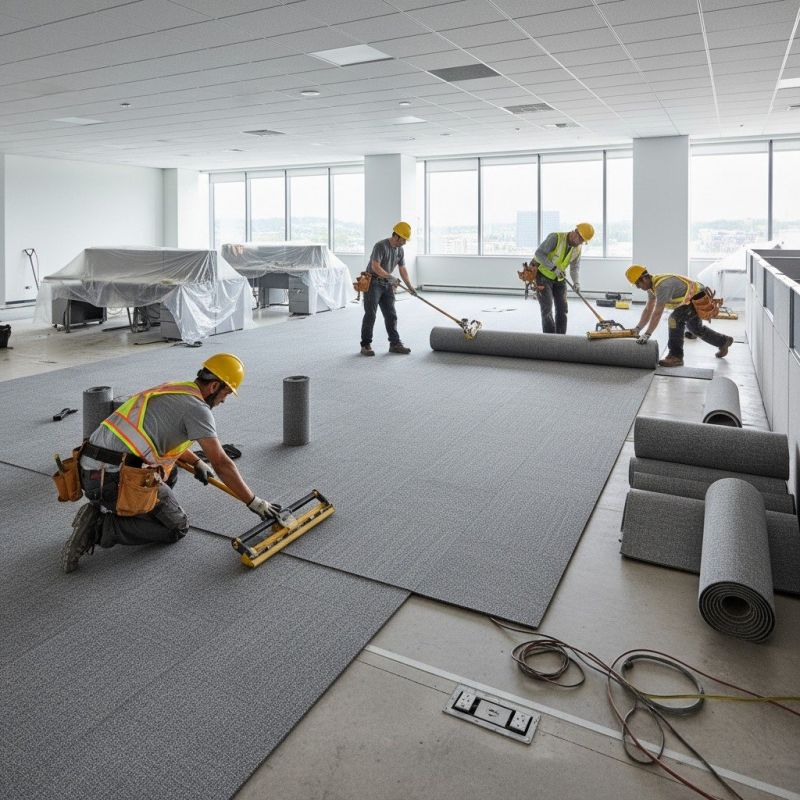
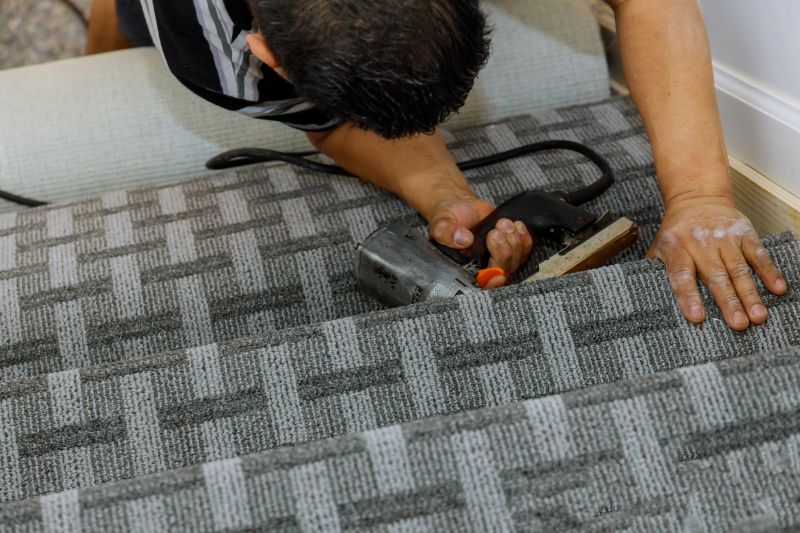
During a commercial carpet installation project, property owners can typically expect a sequence of steps that ensure a smooth transition from old flooring to new. On the day of installation, local contractors often arrive prepared with the necessary tools and materials, working efficiently to minimize disruption to the business or workspace. It’s common for installers to prepare the area by removing existing carpet or flooring, making sure the subfloor is clean and level before laying down the new carpet. Property owners might notice some temporary noise or activity during this process, but experienced service providers aim to keep the workspace as tidy and unobtrusive as possible.
Understanding what to expect during a commercial carpet installation project can help property owners plan accordingly. For example, installers may need to move furniture or equipment out of the way, which is usually coordinated beforehand. Once the new carpet is laid, there could be a brief period for adhesives to set or seams to be finished, but in general, local contractors work to complete the project efficiently. Many property owners seek out local pros for this type of work to ensure the installation is handled professionally, with minimal inconvenience and a focus on quality results.
What steps are involved in a commercial carpet installation project? Typically, local contractors will prepare the space by removing old carpet, cleaning the subfloor, and then carefully installing the new carpet to ensure a smooth and even surface.
How do local service providers handle the preparation of the installation area? They usually start with clearing the area, inspecting the subfloor for any issues, and making necessary repairs to ensure the new carpet is properly supported.
What should I expect during the actual carpet installation process? During installation, local pros will lay out the carpet, cut it to fit the space, and secure it using appropriate adhesives or tack strips, ensuring a tight and durable finish.
Are there any common disruptions during a commercial carpet installation? Some noise and minor disturbances are typical, but experienced local contractors aim to minimize disruptions by working efficiently and maintaining a clean work area.
What is involved in the final steps after the carpet is installed? The final steps often include trimming excess carpet, cleaning the area, and inspecting the work to ensure it meets quality standards, leaving the space ready for use.
Site preparation - Property owners should ensure the area is clear of furniture and obstacles to allow local contractors to work efficiently during the installation process.
Material selection - Choosing the right type of commercial carpet with the help of local service providers can match the space’s traffic and aesthetic needs.
Installation process - Understanding what steps are involved can help property owners plan for any necessary temporary access adjustments while the work is underway.
Post-installation cleanup - Clarifying how debris and packaging will be handled ensures the space is ready for immediate use after the project completes.
If you are thinking about what to expect during a commercial carpet installation project for a property, this guide is meant to help you understand this topic, the typical project types, and how different options might fit your plans.
When you are ready, you can use the quote form on this page to share a few details about your project. From there, local pros can review the basics and follow up with options that match what you have in mind.